
All guide articles
Storing furniture without mould and scratches
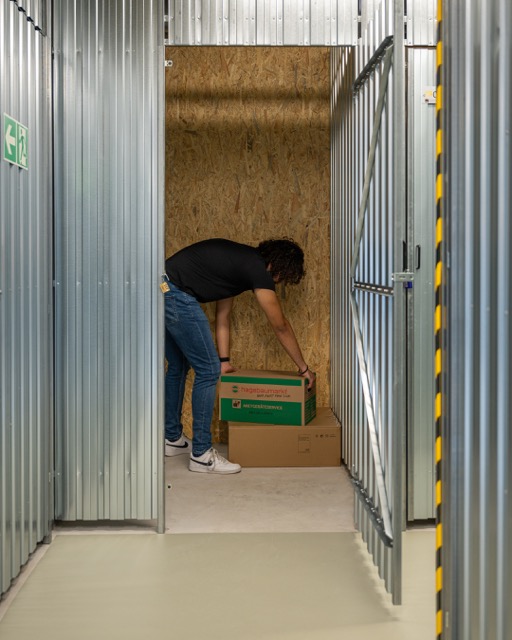
Short answer: Furniture comes through storage unharmed when it goes in clean and dry, is protected with blankets rather than plastic film and is not stacked directly on the floor. Lagerage units are ventilated, and temperature and humidity are monitored by sensors. The rest is down to proper packing.
Before storing
- Clean and dry. Crumbs, moisture and smells do not improve in storage. Vacuum upholstery, wipe wood, let everything dry for a day.
- Dismantle. Beds, shelves and tables stored in parts save space and corners that catch. Screws in labelled bags taped to the piece.
- Secure doors and drawers. With stretch film or a strap so nothing swings open.
Packing
| Material | Good for | Not for |
|---|---|---|
| Cotton or moving blankets | Wood, lacquered surfaces, upholstery | – |
| Bubble wrap | Glass, mirrors, electronics | Wood and upholstery directly (condensation) |
| Stretch film | Securing doors and drawers | Wrapping whole upholstered pieces |
| Boxes | Small items, books, crockery | Heavy appliances |
The most important rule: let wood and upholstery breathe. Plastic film directly on wood or fabric traps residual moisture and encourages mildew.
Stacking in the unit
- Pallets or layers of cardboard underneath, so nothing stands directly on the floor.
- Heavy, sturdy pieces at the bottom, light ones on top. Sofas standing on their feet, not on their side.
- Mattresses upright in a mattress cover, not as a base for boxes.
- Leave an aisle if you need things in between.
- In Saalfelden use the 3 m ceiling, but only stack as high as you can reach safely.
Delicate items
- Electronics in original boxes or bubble wrap, cables labelled and kept together.
- Mirrors and glass standing, with edge protection, box labelled “glass”.
- Leather treated with leather care and covered with a cotton blanket.
- Clothing in boxes or wardrobe boxes, not in plastic bags.
What the sensors do
Every facility has temperature and humidity sensors plus ventilation. That keeps the air dry and even. The sensors do not replace packing though: whatever goes in wet remains a risk. So the rule stands: store dry only.